Written by Ali Laventhol
Antagonists are critical to a great story because they supply obstacles to the main character’s goal. This helps create conflict which is essential in both drama and comedy. A main character striving to achieve their objective while an antagonist stands in their way is the basic spine for any worthwhile narrative.
the classic antagonist
Classic antagonists are tried and true villains. They’re sinister types like Lex Luther, Magneto, or Harmony Cobel in SEVERANCE. On the surface, these antagonists relish in their evil agendas, but when we dig deeper, they’re usually just pursuing an alternate goal for reasons that make perfect sense to them. Of course, some antagonists commit evil purely for evil’s sake. Grace’s husband, John Paul, in BAD SISTERS comes to mind. He’s a bully and an ass to everyone he meets for no other reason than it seems to bring him pleasure.

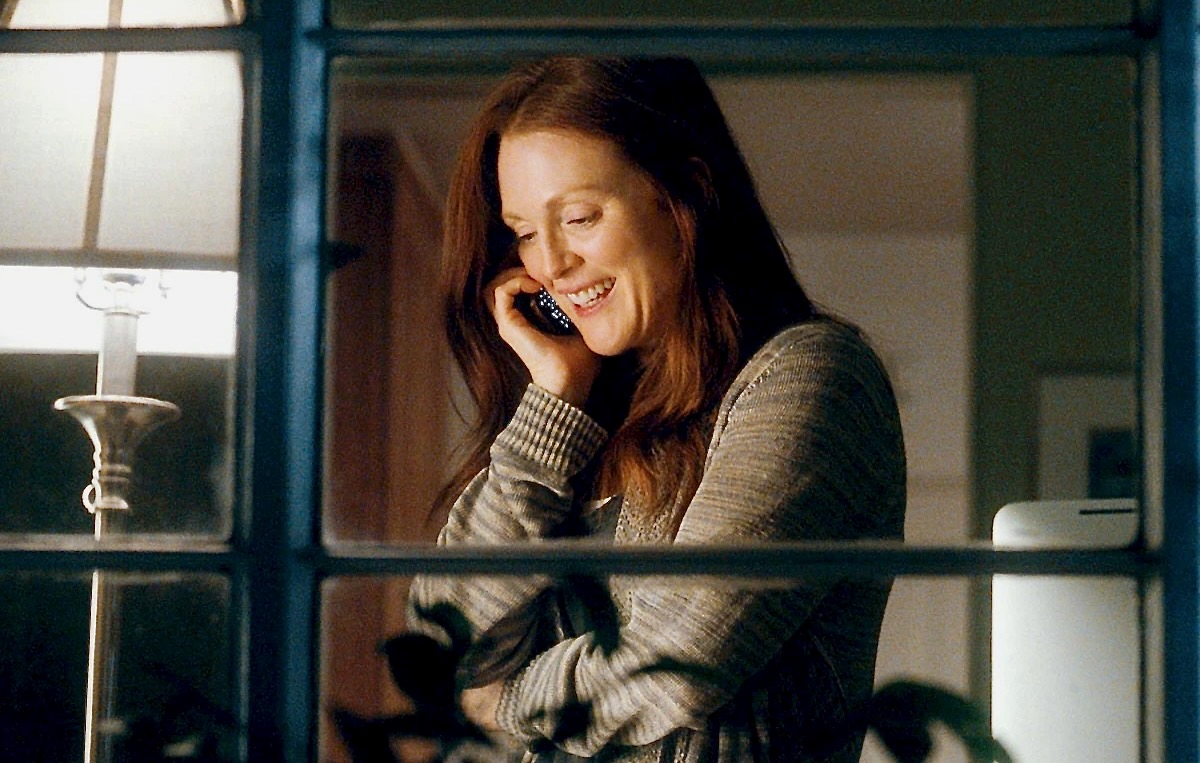
Most of the time, though, antagonists are more subtle. They’re not “bad” characters, they simply have goals that conflict with what the main character wants. For example, Julianne Moore’s character, Emily, in CRAZY, STUPID, LOVE is the antagonist because she wants to end her stale marriage to Steve Carell’s main character Cal, while Cal sets out to save it. Opposite goals = conflict.
The more you can humanize your antagonist and help us understand why they behave the way they do, the less you’ll end up with a two-dimensional moustache-twirling villain. This can be done by letting us in on a bit of backstory and perhaps their core wound. Show us how they’ve been shaped by their own trauma or life circumstances, and we begin to feel for them. The entire concept of WICKED is an exploration into the backstory of THE WIZARD OF OZ’s antagonist, the Wicked Witch of the West, and look how well that worked out!
antiheroes
Now that we’re clear on antagonists, let’s talk about antiheroes. They’re not the same thing. An antihero is the main character in a story; the POV character. The antihero is the one whose story we’re following as they pursue the goal. The antagonist is their opposing force.
So, if the antihero is the main character, then what’s the difference between a typical main character and an antihero? An antihero lacks heroic qualities. Their goals aren’t noble pursuits. They’re inherently flawed individuals who behave in a way that doesn’t align with an audience’s moral standards.
BAD SISTERS, for example, follows an ensemble of sisters who set out to kill one of the sisters’ abusive husbands. These ladies are charming and likable except for the small detail of being out to kill. This would put them in the antihero category, and yet we root for them. Antiheroes may be doing the wrong thing for the right reasons, like the Garvey brood in BAD SISTERS or like Dexter Morgan in DEXTER, television’s first serial killer to lead a series.
 In my opinion, the recent MONSTERS: THE LYLE AND ERIK MENENDEZ STORY pushes this idea even further. I assumed I wouldn’t be rooting for the main characters in this true crime drama since they brutally gunned down their parents. However, by taking us deep into the abuse they suffered at the hands of their father (and mother), the series does an admirable job of mustering up sympathy for its murderous leads.
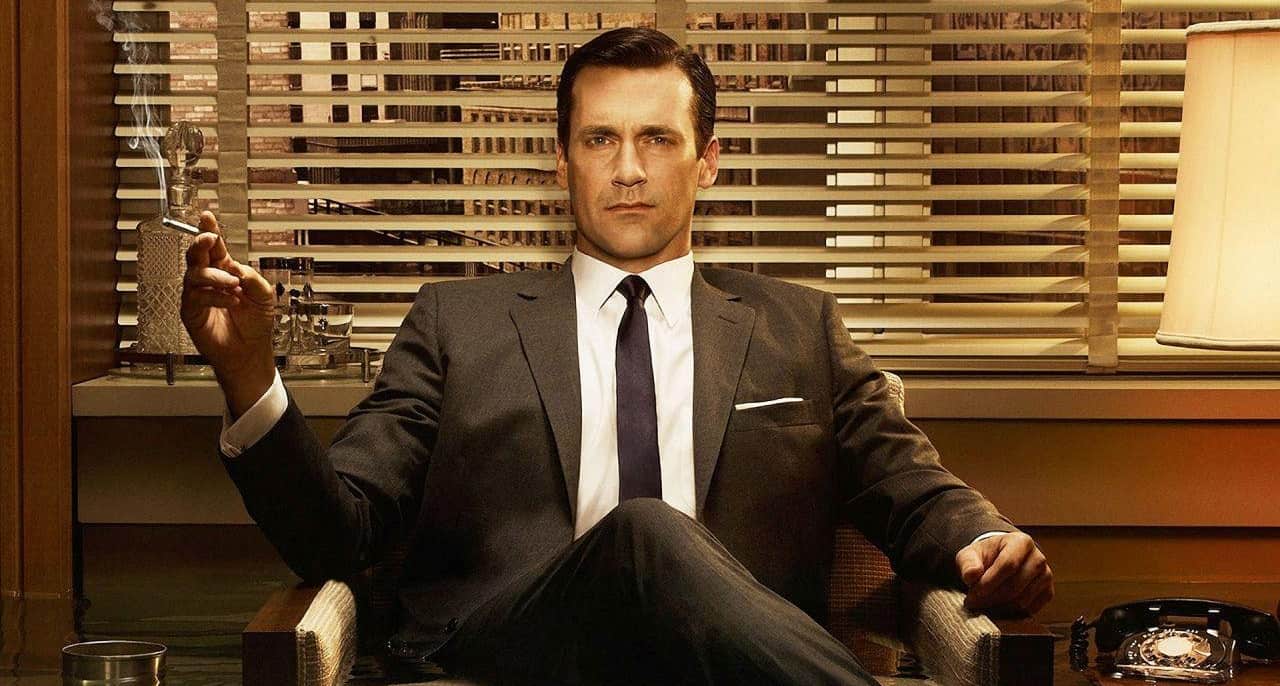
Your antihero doesn’t have to be a murderer, though. Take Don Draper from MAD MEN, for example. He was a deceitful philanderer living with another man’s stolen identity and a questionable moral code. Yet, he was charming and smart which made it possible to root for him. This is a good reminder that antiheroes – and antagonists for that matter – need some redeemable traits, too.
But wait, aren’t all main characters supposed to have flaws? Why isn’t an antihero the same thing as a flawed main character?
It’s true, to make any character feel like a real human, they must have flaws to balance out their redeemable traits. They must make mistakes to learn and grow. But while main characters usually want to learn from their mistakes, antiheroes don’t. While main characters have a few flaws peppered in amongst many positive qualities, antiheroes have a few positive qualities peppered in amongst many flaws. And, while main characters operate via a personal moral code similar to our own, antiheroes have distorted morals that don’t align with ours.
Is a hero or an antihero right for your story? This depends on your intended audience, intended buyer(s), what themes you want to explore, the world your story is set, among other factors. For more on this, check out Script Anatomy’s list of classes and workshop where we dive deep into all the elements of building a story from the ground up.
Figure out your antagonist with feedback and input from a working writer. Sign up for your next Script Anatomy class and take your work to the next level.

Ali Laventhol has been Tawnya‘s writing partner for over a decade, most recently as the Co-Executive Producer for My Life With The Walter Boys (Netflix), and Bel-Air (Peacock), as well as several Lifetime movies. She is a long time Script Anatomy instructor.