Written by Ali Laventhol
While our real world may feel a bit out of control right now, the worlds in our writing are ours to create exactly as we see fit. Here are some tips and things to consider as you go about designing the world of your story.
what is a “world”?

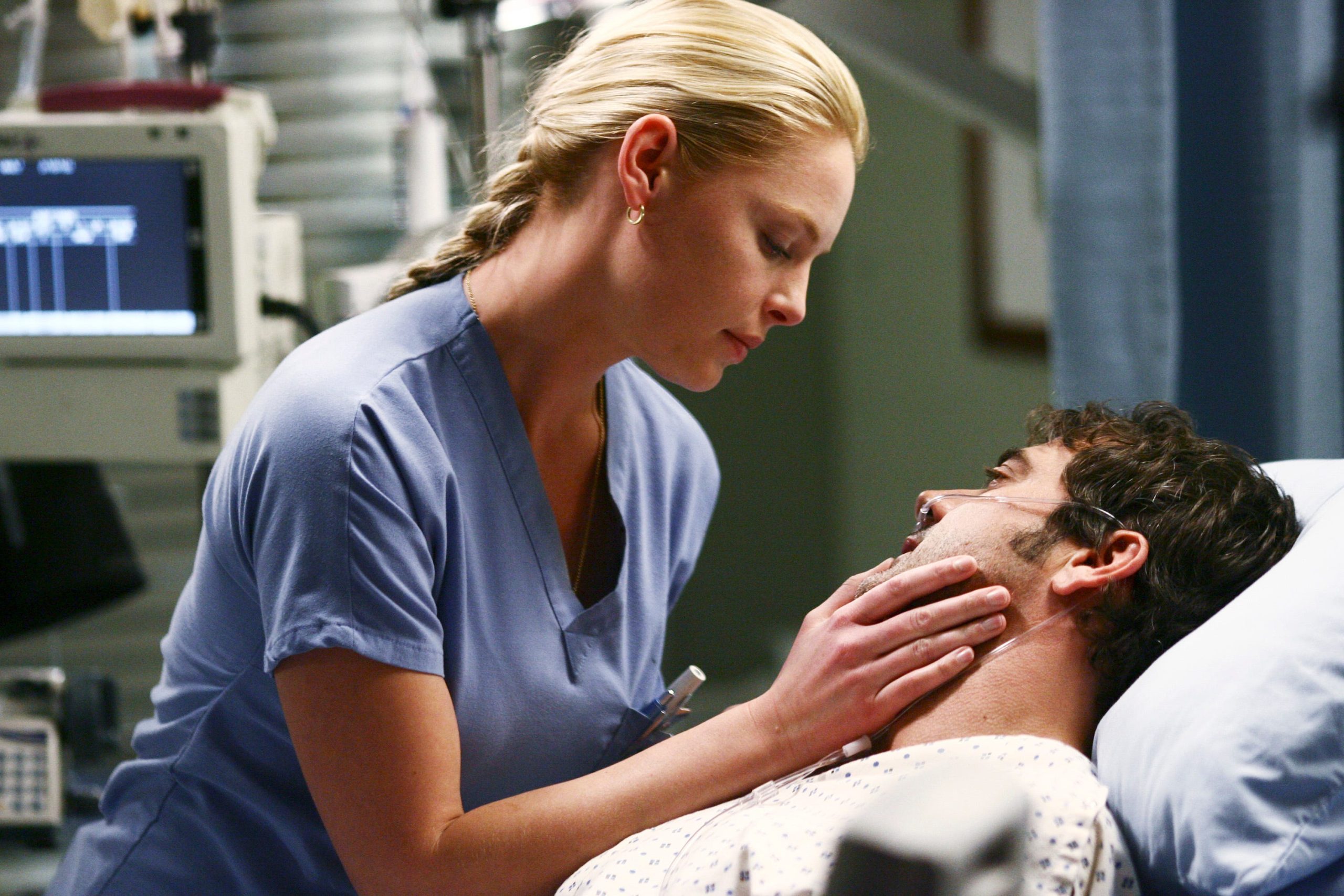
Sometimes also referred to as “setting” or “arena,” the world of your story starts with a location but should be much more specific than that. For example, GREY’S ANATOMY isn’t just set in Seattle, but at a teaching hospital and trauma center called Seattle Grace that was ranked #1 in Washington State.
That’s not to say Seattle at large isn’t an important creative choice – whatever your location, remember that it will factor into your overall tone and vibe. Seattle leant grey skies, lots of rain, a liberal-leaning population and plenty of outdoorsy types while the same show set in a teaching hospital in a small town in Ohio would’ve felt very different.
Side Note: As the show continued, Seattle Grace merged with another hospital called Mercy West, allowing the writers to say something thematic about corporate healthcare all while finding new conflict within the cutthroat competition hospital mergers often induce. In other worlds, mine your world for everything it’s got.
Make the familiar fresh

There are plenty of worlds we’ve seen a million times in movies and on television, like the inside of a courtroom or behind the scenes in a police precint. Even then, if that’s your setting, see if you can find something fresh in your particular version. For example, in season 4 of TRUE DETECTIVE, the world is a police precinct in a small fictional town in Alaska at the edge of the Arctic Circle during the long winter nights. Most of the show takes place in freezing cold darkness. This gives it an original tone when compared to most cop shows that really supports the mystery.
NO GOOD DEED is another example of a series that on the surface seems to be set in a familiar world. After all, it takes place in modern-day Los Angeles where many of us writers live. However, the specificity of the well-to-do Los Feliz neighborhood and the ruthless nature of the world of residential real estate make the arena fresh and interesting.
Create Intrigue

One of the many ways to grab a reader/audience’s attention is to offer a behind-the-scenes look into a world where most of us don’t get to go. For example, CONCLAVE took us behind the scenes of a fictitious papal conclave at the Vatican in which the College of Cardinals gathers to elect the next Pope. Sure, we’ve seen a few stories set at the Vatican before, but this is a specific event at the Vatican that is veiled in secrecy which makes it that much more compelling. Remember, when you create your unique world, fill it with detail and get the details right. Specificity and accuracy equal authenticity!
Identify Theme
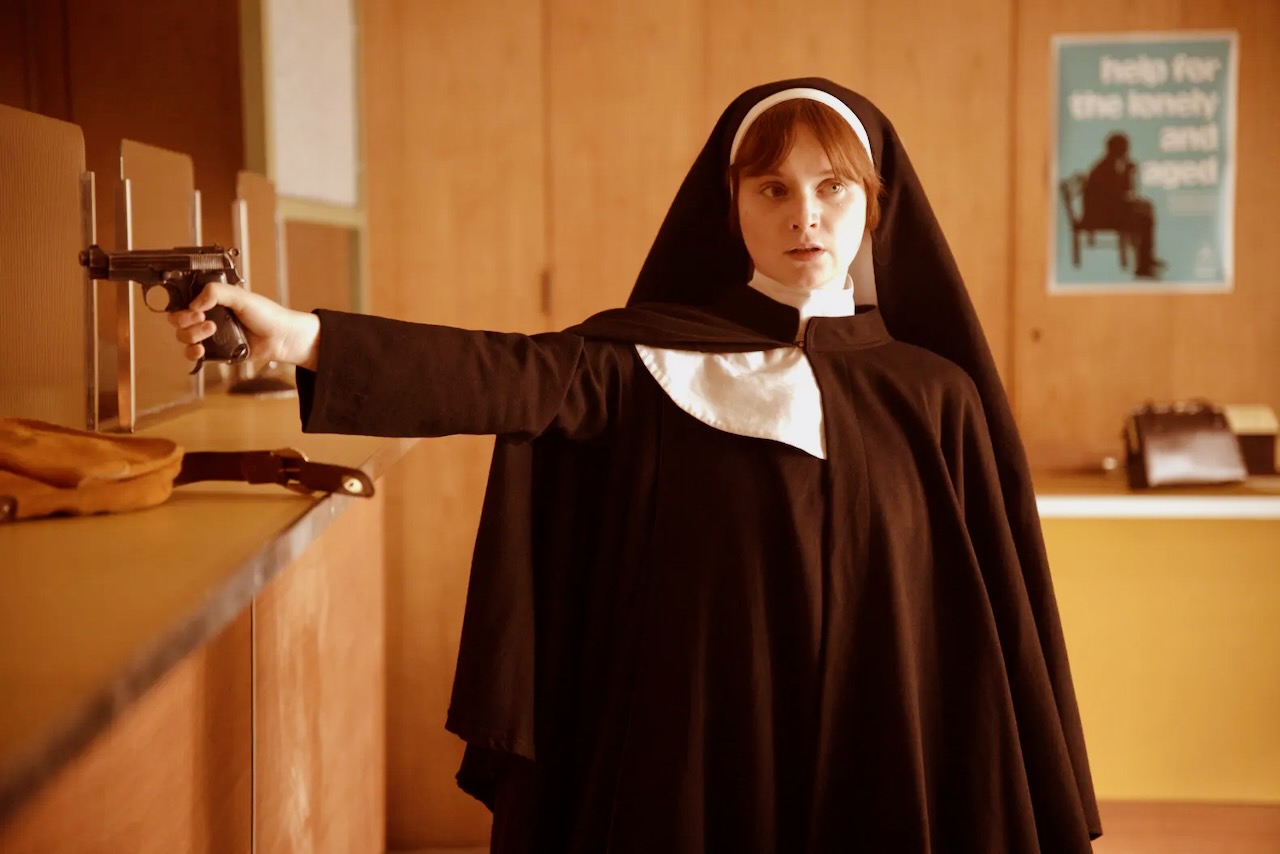
All your story elements provide an opportunity for your thematic expression, so don’t forget to consider theme when choosing your world. Some worlds have theme baked in – like the series SAY NOTHING on Hulu. It’s set in Belfast in the 70s, 80s and 90s amid “The Troubles” and explores the conflicts with the Irish republican Army. This world goes hand in hand with the exploration of the lingering effects of political violence on families and communities. Which reminds me…
Time Period
SAY NOTHING would obviously be completely different if it was set in 2025 Belfast. The world of A COMPLETE UNKNOWN is New York in the 1960s, specifically the music business while DUNE is set thousands of years into the future. If you’re writing a movie or pilot that is not set in modern day, it’s essential that you give the reader/audience historical context or the characteristics of the world and period as quickly as possible as to avoid unnecessary confusion.
Show Us The Rules
If your world is unfamiliar, it’s up to you to convey the rules of your world in a clear but economical way that doesn’t feel like exposition. We need to know, but we don’t want to be told, we want to figure it out while watching your character(s) interact in the world.
This is especially important for fantasy—what exactly are their powers of your wizards or witches?—and for high concept sci-fi like SEVERANCE.
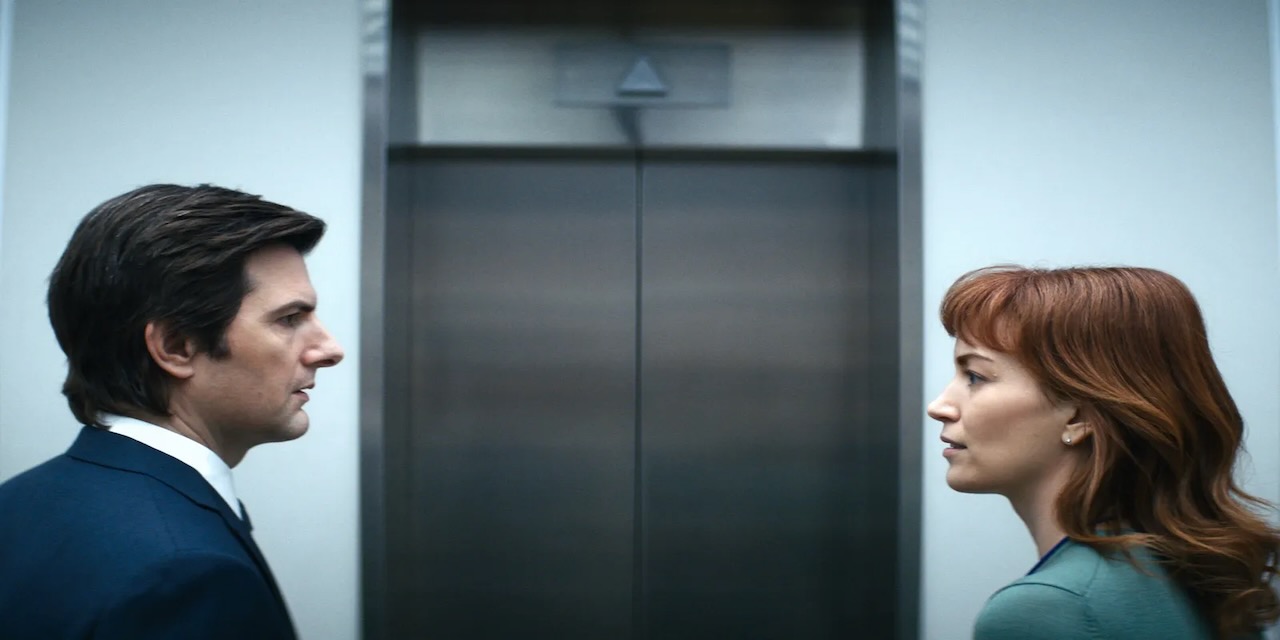
SEVERANCE is set in a company called Lumon Industries, in which most employees have agreed to have their work memories and non-work memories surgically separated. So, when they go home, they don’t know anything about their job, and when they’re at work they don’t know anything about their life outside of work. Super thematic, since wanting to “not take work home with you” is so universal!
The writer Dan Erickson plants us firmly in Helly’s shoes as she wakes up on the conference table in scene 1 of the pilot and has no idea where she is or what is happening. She doesn’t even know who she is. We cut to outside of Lumon with Mark, Helly’s soon to be boss, who is crying in his car before work. We then see him walk through a typical day’s arrival with several levels of security, and we are shown the “how” of the concept – meaning we see him get in the elevator which magically transforms him from his “outie” to his “innie.” We watch it happen before we understand what we’re watching. The writer allows us to piece it together. No exposition, it’s all show and no tell.
That said, don’t let the confusion last too long! When I teach, I often see first drafts of sci fi/ genre pieces that are confusing because the rules aren’t clear. Often because the writer has been thinking about it for so long, they assume what’s in their head has made it to the page when it hasn’t. That’s why fresh eyes are essential. When you’re working on a piece with significant world-building, perhaps create a separate document with the rules of the world bullet pointed on it – and then brainstorm ways to show (not tell) each one.
If you’d like to dive deeper into your story’s world and other key story elements, check out Alex Raiman’s TV Worldbuilding Class, starting February 26th!
Ali Laventhol has been Tawnya‘s writing partner for over a decade, most recently as the Co-Executive Producer for My Life With The Walter Boys (Netflix), and Bel-Air (Peacock), as well as several Lifetime movies. She is a long time Script Anatomy instructor.