One of the big questions to ask when developing a new project is where your story should start. Every story needs a compelling reason to mark a particular moment on your narrative timeline as the beginning. We call this the “why now?”
But remember, once you have established a beginning, middle and end to your story, you don’t have to tell it in that order. That’s where nonlinear storytelling comes in. Unfolding your story out of chronological order can offer a variety of benefits, and there are several different techniques to choose from in order to do so.
Today we’re going to talk about those techniques and look at various examples from TV and film.
flashbacks
These pops back in time come in many forms and can be used for a variety of reasons. Some executives discourage flashbacks even though they can be very effective for character development. By putting us in your character’s shoes during traumatic moments from their past, we gain a better understanding of how they’ve come to be the way they are in their present. If we’re with them as their core wound occurs, we understand why and how their flaw(s) was born. Their fears, choices and vulnerabilities suddenly make sense.
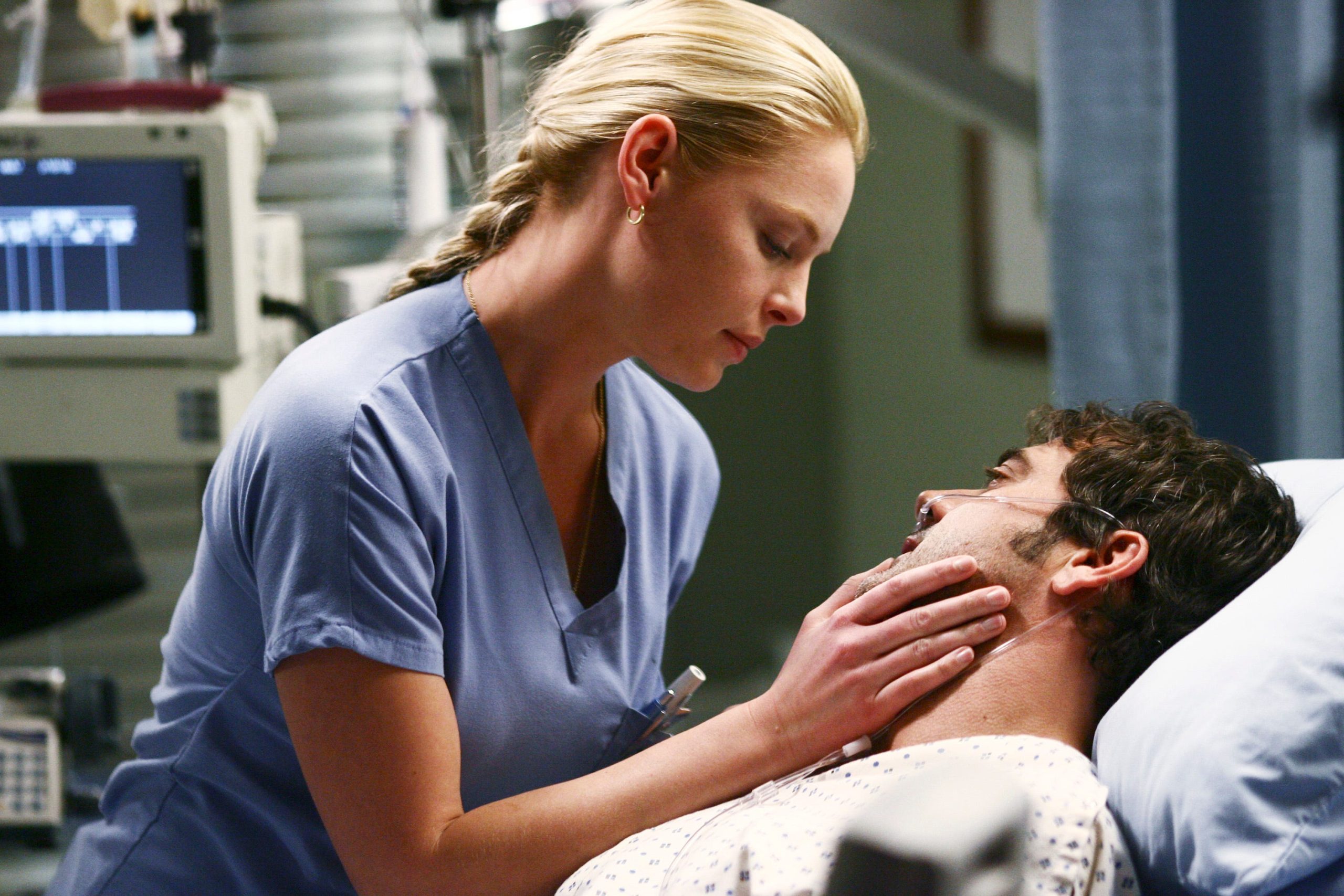
For example, in the Oscar-nominated film WICKED, flashbacks show us scenes from Elphaba’s birth and childhood including her mother’s affair, her relatiionship with her sister, and how and why she has green skin. It also lets us see the moment from her youth when her magical powers first appeared. These flashbacks build empathy and help us feel for her.
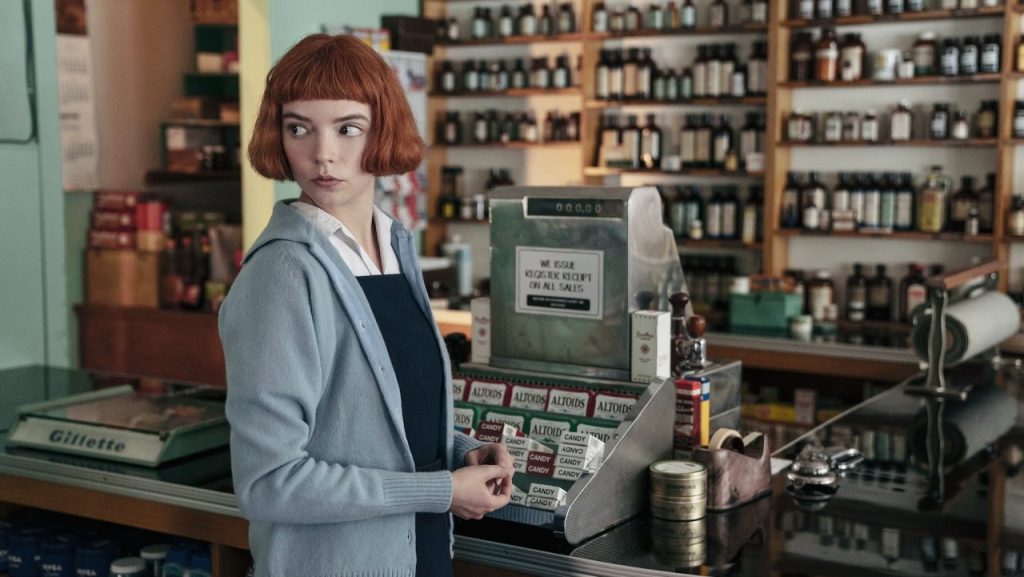
In THE QUEEN’S GAMBIT, the writer uses flashbacks to put us in the car during the accident that killed Beth’s mom. We feel the tragedy, right along with Beth, that lands her in the orphanage. Flashbacks can also be used to answer questions in a mystery, especially if there is an arc to the flashbacks – meaning, the writer doles out one hint at a time to clue us in, creating intrigue.
FLEISHMAN IS IN TROUBLE does this brilliantly. Claire Danes’ character Rachel disappears without explanation at the top of the series. Once her ex-husband Toby determines there is no emergency (friends saw her napping in the park), he sets out to solve the mystery of where she is now and why she hasn’t returned to pick up their kids. As an audience we assume she deserves the worst mother of the year award, but through flashbacks the writer slowly teases out what happened to Rachel in the past and therefore why she’s behaving this way in the present. In the examples above, the flow of the present story is interrupted to go back in time for reasons that add depth and meaning to the story. So, remember, if you’re going to use flashbacks, they must add layers to the present that will make your story more compelling. Otherwise, it’s not worth the interruption.

in media res
This is a Latin phrase that means “in the middle of things.” Essentially, in media res means you place your audience in the middle of the story to start – with no context – then backtrack to show how we arrived there. This is a popular technique because by choosing one of the most explosive moments to open on, you grab attention and hook an audience. Then, once the story catches up to that moment, new information and context can be revealed.
For example, BREAKING BAD opens on a tense, high stakes scene in which Walter White is driving an RV while wearing only his underwear and a gas mask. We lean in, dying to know what’s going on.
The ZERO DAY pilot also opens on a tense moment that is hard to understand without context. Robert DeNiro’s character is rifling through his office, desperately trying to open his safe, breaking glass and knocking things over, while someone seems to be banging on his door trying to get in. The pilot then cuts to “three days earlier.” Once the story catches up in episode 2, we see that the moment from the opening of the pilot was not quite what we thought it was.
dual timelines
This is a technique that runs events from two different time periods and braids them together.It works particularly well for showing us how events in the past affect events and characters in the present.
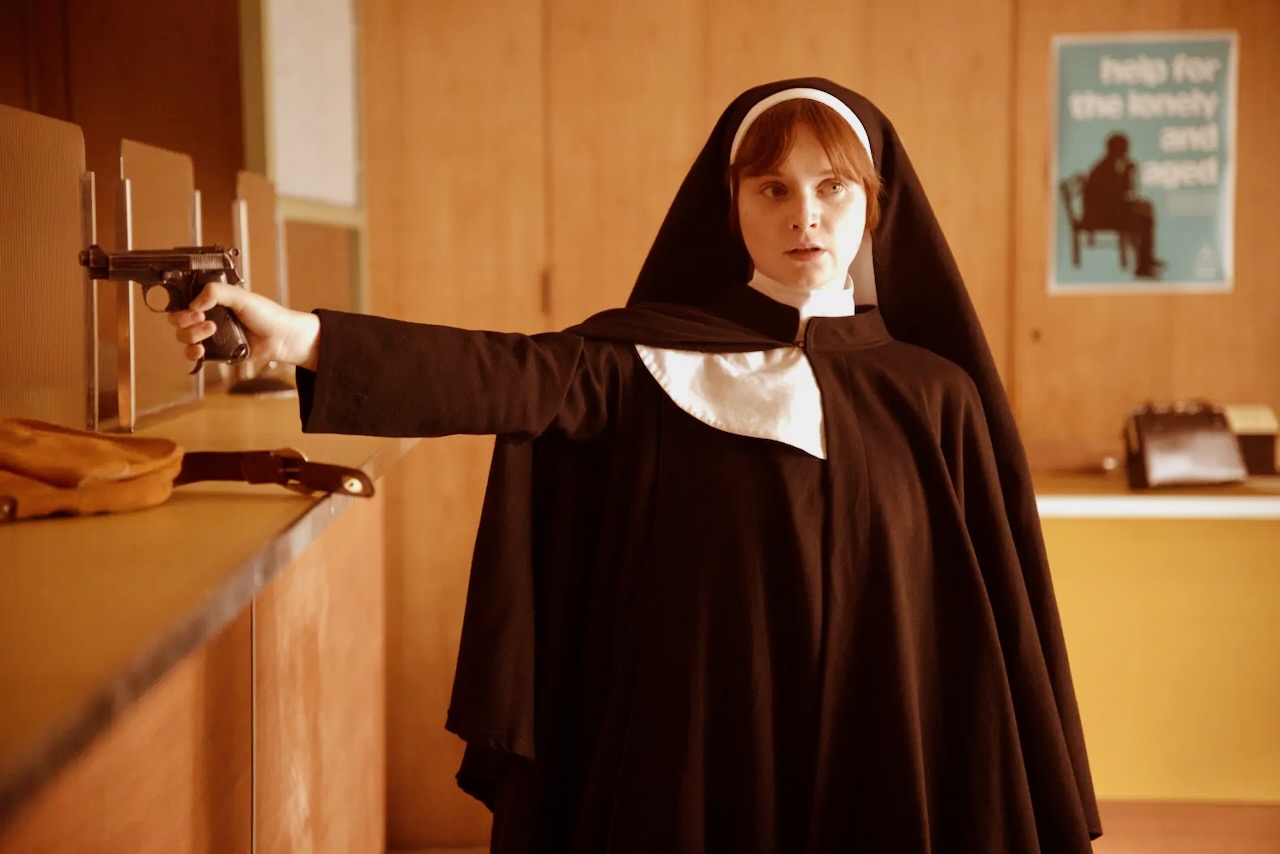
Take YELLOWJACKETS for example. It’s a show that explores survivors of a plane crash and how their lives have been impacted 25 years later. There’s a mystery element since the pilot implies the survivors resorted to cannibalism while stuck in the wilderness, but doesn’t tell us who, how, or any details. There are hints that other awful things happened as well while the survivors wait to be rescued. Jumping between timelines allows the writers to drop those hints slowly as both timelines progress and arc. But you don’t have to separate your timelines over multiple decades.
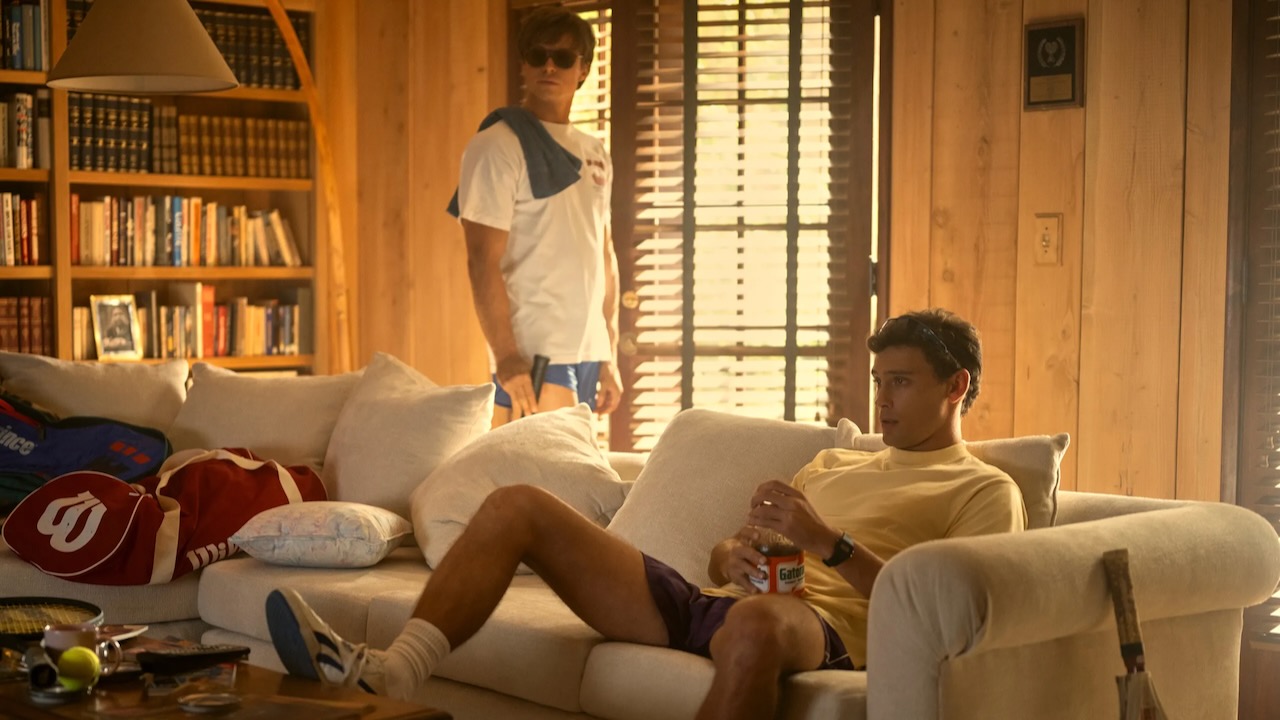
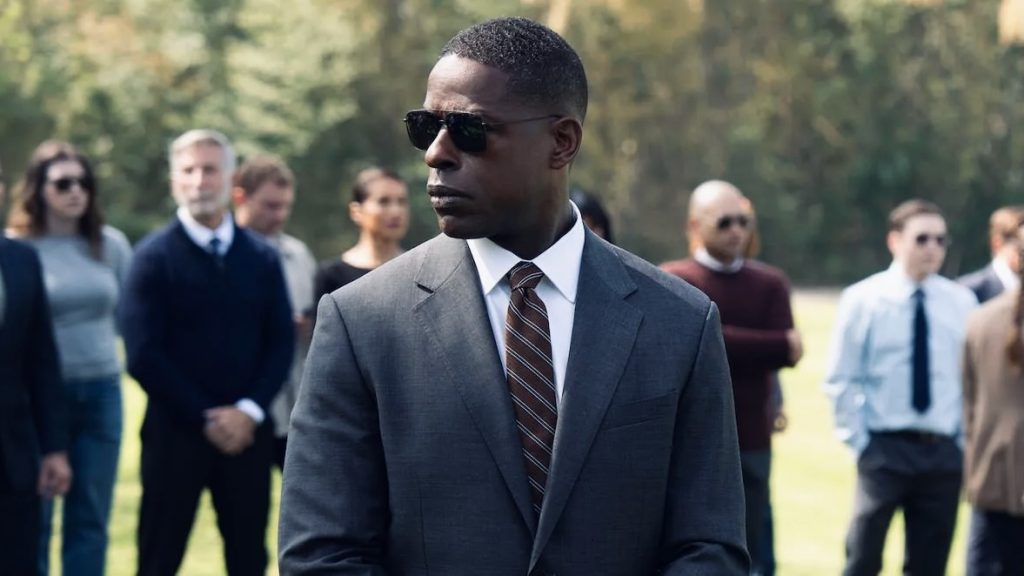
PARADISE on Hulu uses two timelines as well, but they are much closer together on the calendar – one takes place right before a global extinction event, while the other, right after. In the second timeline, (*spoiler*) the President is killed, while he is alive and well in the first timeline. This allows the audience to know a main character’s fate before he does, which presents ample opportunity for irony. If you’re going to use the dual timeline technique, make sure to delineate the different timelines with some story element or visual for clarity (in Yellowjackets it’s unmistakable since different actors play the teens/adults. In Paradise, it’s clear because in one the President is dead and in one he’s alive.) The last thing you want to do is confuse your audience!
multiple timelines
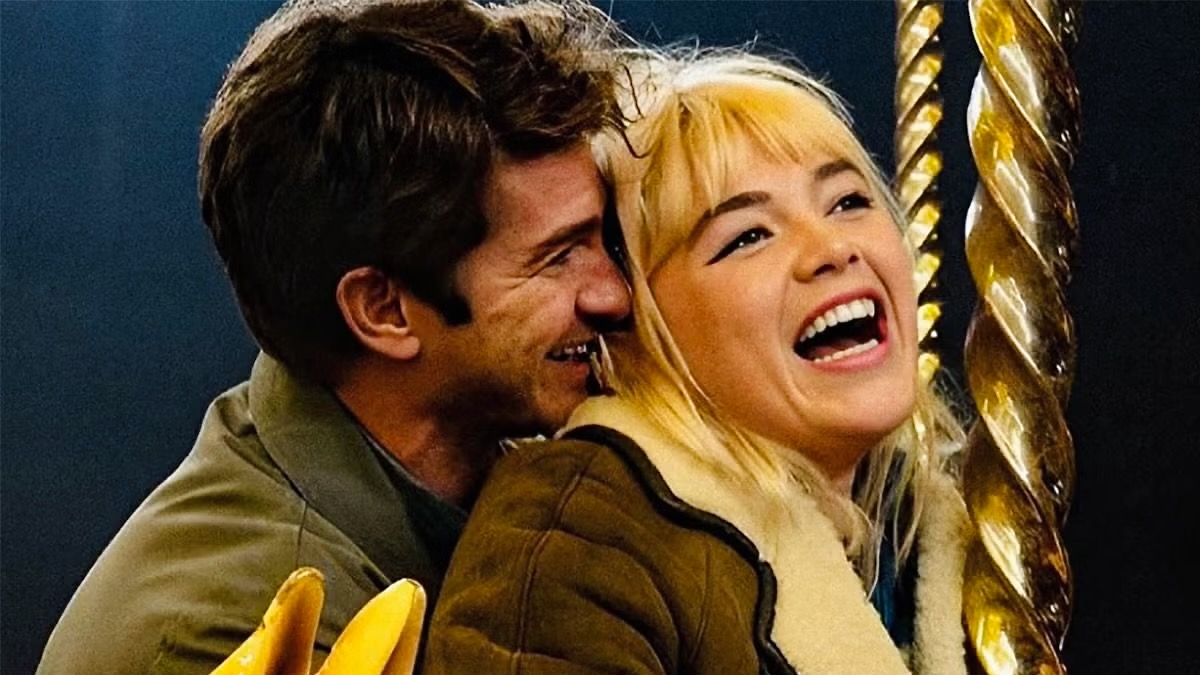
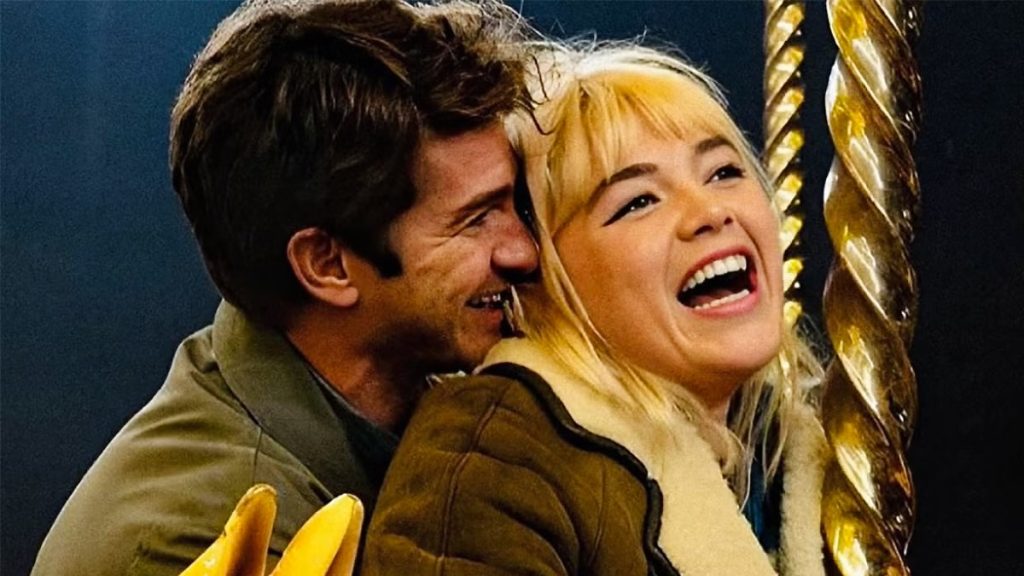
The recent Florence Pugh and Andrew Garfield romantic drama, WE LIVE IN TIME jumps forward and back at will throughout this couple’s relationship. You could say there are four timelines, but the jumps feel more random and haphazard.
We’re with them when they meet, while they’re dating, when she gets a cancer diagnosis, when they decide to get pregnant despite doctor’s cautions, when she gives birth, when the child is several years old, etc. The time jumps in this film add complexity to what might otherwise have been a very straightforward and predictable story. The jumps also thrust us into her cancer diagnosis at the very beginning, so that as we jump back to watch them meet and fall in love, there is a bittersweet sadness overlayed on top of what may have been too sweet. Using this technique for this particular story was also brilliant in that the nonlinear nature of the storytelling reflects what our memories do when we get to the end of our lives. We don’t remember things linearly; we remember various moments from different stages of life, according to emotional impact, much like the scenes in this film.
Bottom line:
If you want to create empathy, depict backstory, create intrigue, tease out a mystery, show how events from our past shape our future, or grab an audience’s attention at the top of your story – perhaps one of these nonlinear storytelling techniques is for you!
—-
By Ali Laventhol, a Co-Executive Producer who sold 5 TV shows, been hired to write 3 movies and has written on over a dozen shows
To explore non-linear storytelling and other screenwriting techniques for drama, consider the following classes:
TV Pilot Lab (Drama) with Hannah Rosner, beginning March 23rd.
TV Rewrite Lab with Eva Gonzalez Szigriszt starting April 6th
And for feature writers:
Feature Development Lab with Stacey Miller, starting March 30th