Written by Ali Laventhol
Stories are powerful.
They can entertain, inspire, educate, enlighten, and help us make sense of the human condition. They can also cut through the fortresses around our hearts and lead us to our innermost feelings. This can be through empathy, meaning we feel FOR a character, or through catharsis, meaning we feel WITH a character.
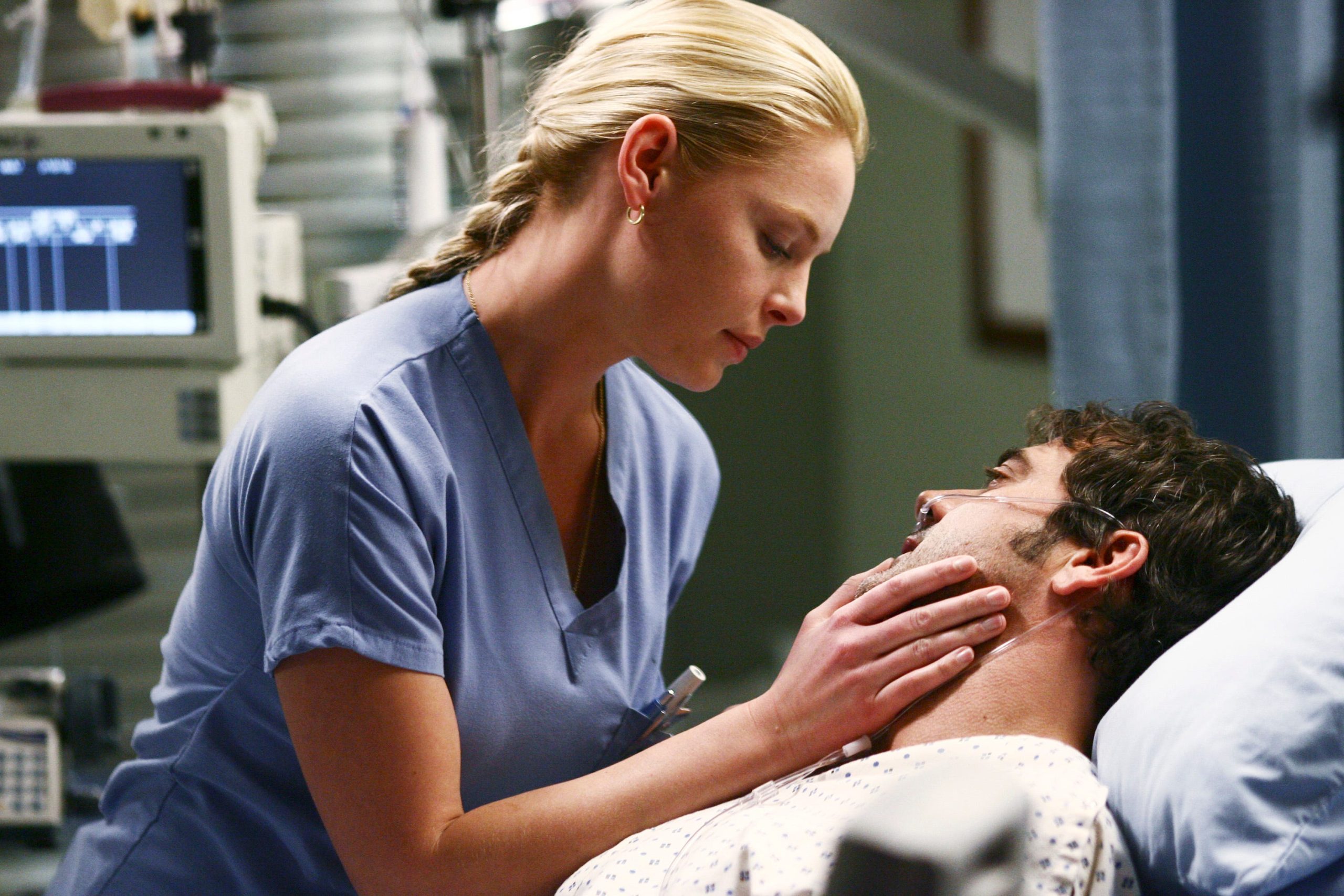
One of the experiences that made me want to be a tv writer was the decade I spent crying through Grey’s Anatomy every Thursday night. That show did what the ancient Greeks promised of catharsis—it triggered an outpouring of emotion so that I could land on the other side feeling restored and renewed. But catharsis isn’t just about sadness or grief. The same can be said for joy, fear, jealousy, victory, anger, and on and on. A script that incites any emotional response will be more memorable and successful than one that doesn’t.
We know this, yet sometimes I notice that even scripts with solid plot, structure, characters, and themes fail to make me *feel* something. Of course, emotional responses are personal, we don’t all react in the same places or ways, which is why there’s no formula to teach writers, per se.
That said, here are a few ideas to try if you’re looking to create a deeper, more authentic emotional experience for your reader/audience. Some ways to amplify emotion.
PUT YOURSELF IN YOUR CHARACTER’S SHOES
Not just your main character but all of them, your antagonist too. Everyone has an inner emotional life. Use your imagination and allow yourself to feel through the situations your characters are in. If you’re having trouble really inhabiting their shoes, try writing a journal entry as your character. It won’t make it into your script but it’ll help you merge with your character emotionally. What would they confess to their journal during the time your story takes place?
USE EMOTIONAL LANGUAGE IN YOUR ACTION LINES
Ask yourself if you can you get more specific with the descriptions to paint the emotional picture? And consider the show-don’t-tell rule— instead of “Amelia is ashamed” try “Amelia pales, sinking lower in her seat.”
LET THE EMOTIONAL MOMENTS BREATHE
Identify a handful of the most emotional moments in your script and see if you can give them space. Don’t rush or gloss over them. Perhaps there’s a non-verbal reaction you can add that might help slow things down for a beat, giving us a chance to feel right along with the character? Are you giving them and us time to reflect?
WORK WITH SUBTEXT
It helps to intensify emotion without getting overly sentimental. Subtext is the unspoken meaning of a scene or line of dialogue. It’s what’s going on under the surface. If you ask yourself what is beyond the literal meaning of a scene, often the answer will have something to do with an emotion your character is hiding.

Subtext helps us mimic real life because people often deflect when emotions become too raw. I can be more impactful to see a character repress rather than express their feelings. Compare a character who announces that they’re mad to a character who swears they’re fine but takes a meat mallet to a chicken breast like they’re beating the crap out of their ex while trying not to cry. Which is more emotional? (Of course, it depends on the character you’re working with.)
Here’s an example from APPLES NEVER FALL, written by Melanie Marnich. The subtext technique here is to have another character inadvertently say what the main character is feeling but isn’t saying– then show us the main character’s non-verbal reaction. Melanie spells it out in the action line:
Savannah nods. We STAY ON JOY’S FACE as Savannah speaks. Seeing the emotion in Joy’s eyes as Savannah expresses exactly how Joy feels about her own life–
SAVANNAH
People don’t understand how easy it is to feel ignored. How much it hurts. We all want to feel seen, loved, appreciated. Otherwise, you can just feel tossed away and lonely. Next thing you know you’re questioning everything… Ugh. I did it again. Talk talk talk. I’m sorry.
JOY
No need to apologize.
 That example is a small moment where subtext is used to convey emotion. But sometimes the emotional subtext can connect to a character’s entire episode arc, ultimately paying off with a very potent moment at the end.
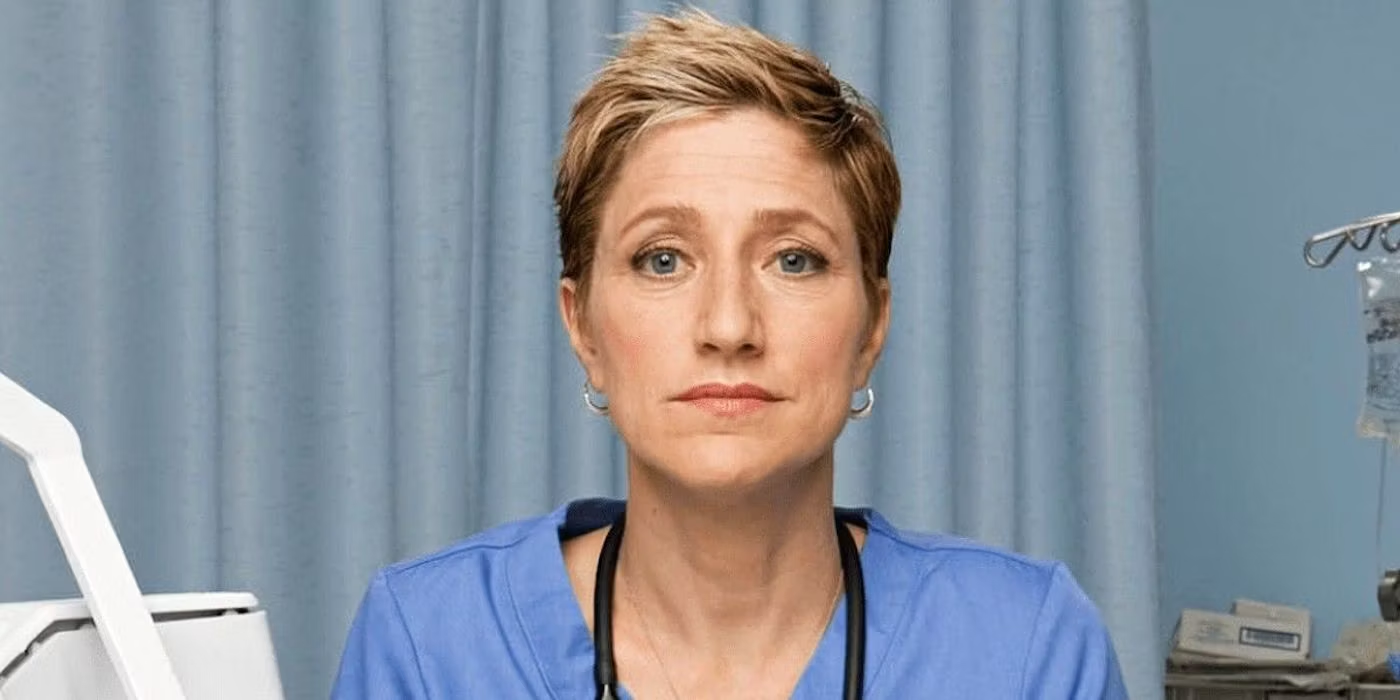
Even though it aired years ago, this Nurse Jackie episode titled “School Nurse” written by Christine Zander was memorable.
Jackie, the lead character, is unexpectedly told by her daughter’s elementary school teacher and school nurse that they think her daughter, Grace, is showing signs of an anxiety disorder. Grace is sleepy at school, she isolates herself, circles her desk three times before she sits, and never draws a sun in any of her pictures. The teacher asks if there are problems at home and Jackie becomes extremely defensive. She tells them no – which is an answer containing SUBTEXT since we just saw Jackie get a text from her lover while walking into the classroom with her husband. Yep, there are problems at home, for sure.
When the school nurse suggests Jackie look into anti-anxiety medication for her daughter, Jackie says “I love how you people think a pill can fix everything.” The SUBTEXT in that line is profound since Jackie herself steals pills from the hospital and pops them during her shifts as an ER nurse.
In the next scene Jackie, in full denial, eviscerates the school nurse, basically insinuating she’s not a real nurse and therefore wouldn’t know if Grace had or problem or not. Jackie ends her rant with “I left a severed finger and a hemorrhaging ulcer to [come here and] hear your bullshit. I can say that. You can’t.” This one-upmanship and escalating anger are Jackie’s cover [SUBTEXT] for her fear that her daughter may indeed have a problem.
Later, at the hospital, Jackie’s intaking a COPD patient and tells a less experienced nurse, “Listen, sometimes this kind of thing seems more critical than it actually is. Once her gasses are better, she might be able to go home.” Obviously, this line is SUBTEXT as it’s less about this patient and more about Jackie’s hope for what’s really on her mind– her daughter’s mental health. After more scenes treating patients, we arrive at the end of the episode. The last scene is so effective as we finally get a tiny hint of the emotion Jackie’s been working so hard to hold at bay.
INT. NURSES’ STATION – CONTINUOUS
Jackie is the only nurse at the station. She reaches under the desk/counter for her backpack or purse. Jackie pulls her daughter Grace’s artwork from the bag. She unfolds it and looks at it for a beat. She almost starts to cry.
She picks up a YELLOW HI-LIGHTER.
CLOSE on the artwork as Mo-mo’s lullaby fades out. Jackie presses very hard and scribbles a large sun in her daughter’s picture.
JACKIE (to herself): There. Was that so hard?
END OF SHOW
—
The best way to develop your project is to join a Script Anatomy class and get feedback. Check out the class calendar for details.

Ali Laventhol has been Tawnya‘s writing partner for over a decade, most recently as the Co-Executive Producer for My Life With The Walter Boys (Netflix), and Bel-Air (Peacock), as well as several Lifetime movies. She is a long time Script Anatomy instructor.